
When planning a new kitchen, it’s tempting to jump straight into choosing colours, cabinetry, worktops and appliances. But before any of those decisions are made, there’s something far more important to consider: how do you actually live?
A great kitchen design starts with understanding the people who will use it. Their routines, preferences, frustrations and priorities all influence how the space should work.
That’s why we like to start with what we call the 4 Ds: Definitely Do, Definitely Don’t.
It’s a simple approach that helps us understand what matters most to you and, just as importantly, what you want to avoid in your new kitchen.
What would you definitely do in your new kitchen?
Think about the things you love about your current kitchen, or perhaps features you’ve enjoyed in previous homes.
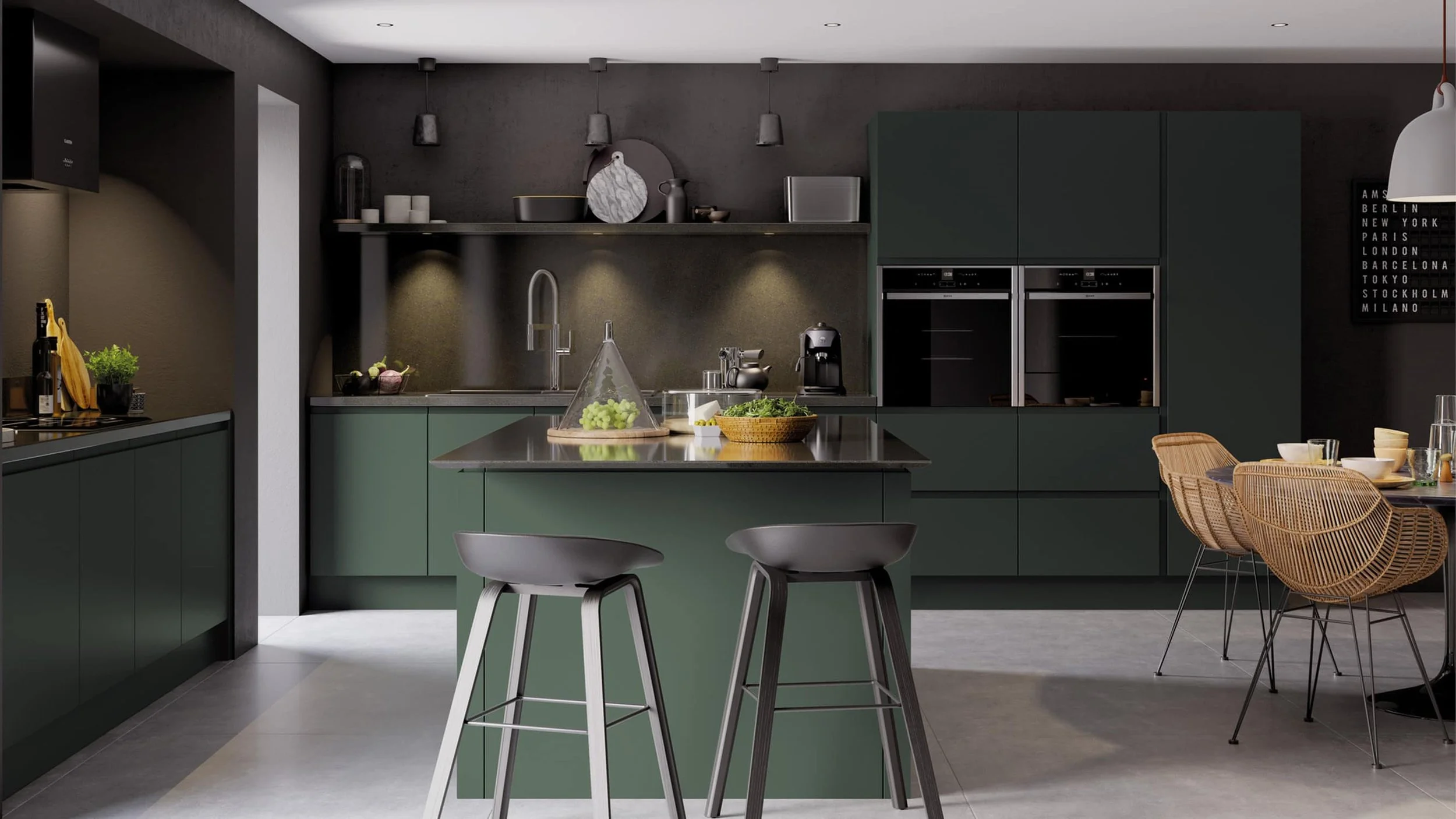
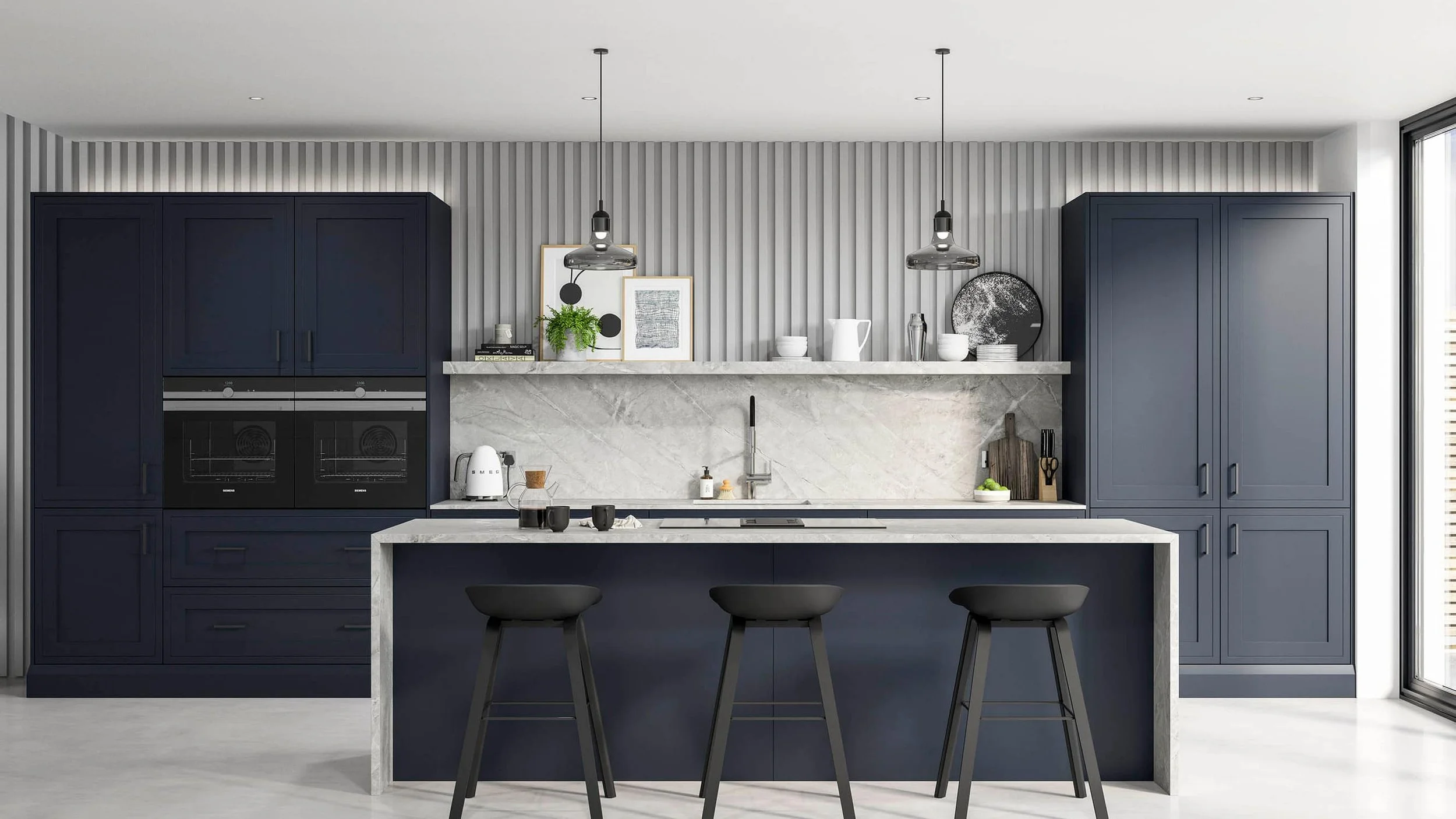
Maybe you love having a breakfast bar where everyone gathers in the morning. Perhaps you couldn’t imagine cooking without a double oven, or you’ve always appreciated having plenty of drawers rather than cupboards.
These are your definite dos, the features and ideas that you know work for you.
But it’s also worth thinking beyond what you already have.
Would you like more space for entertaining? Somewhere to sit and enjoy a coffee? Better storage for small appliances? Or perhaps a layout that makes cooking together easier?
Understanding these priorities gives your designer a starting point for creating a kitchen that complements your lifestyle.
And what would you definitely never do again?
Your kitchen frustrations can be just as revealing as your wish list.
Perhaps you’re tired of bending down to reach the back of a cupboard, constantly running out of worktop space or having a dishwasher that blocks the walkway whenever it’s open.
Maybe you once had a kitchen island that looked fantastic but made it difficult to move around the room.
These are your definite don’ts.
It’s easy to focus on everything you want in a new kitchen, but identifying what hasn’t worked in the past can help prevent the same problems from appearing in your next design.
It's not about how many people live in your home, it's about how you live
One of the biggest mistakes in kitchen design is making assumptions based on the size of a household.
Knowing that four people live in a home tells us very little about how their kitchen needs to function.
Take two families of four.
One family might cook together every evening, regularly entertain friends and need somewhere for the children to do homework.
The other might prefer quick, simple meals, rarely entertain and want a kitchen where everything can be neatly hidden away.
Both households have four people, but their ideal kitchens could look completely different.
These conversations help us identify what your kitchen really needs to deliver.
"I don't know, because I don't know who you are yet"
There's a story from an appearance I once made on Grand Designs that sums up our approach perfectly.
I was asked a straightforward question:
"What would you do with this kitchen?"
My response was:
"I don't know, because I don't know who you are yet."
It might seem like an unusual answer from a kitchen designer, but how could I possibly know what the best design would be without understanding the people who were going to use it?
I didn't know whether they loved cooking, entertained every weekend, needed somewhere for family meals or simply wanted a practical space that was easy to maintain.
Of course, I could have suggested a layout or started discussing cabinetry and appliances. But that would have been based on my assumptions, not their needs.
And that's the difference between designing a kitchen that looks good and designing one that genuinely works for the people living in it.
So, before you start making decisions about colours, worktops or appliances, ask yourself two simple questions:
What would I definitely do in my new kitchen?
And what would I definitely never do again?
Your answers could be the most useful starting point for your entire kitchen project.
Planning a new kitchen? Come and talk to us about how you live, what you love and what you'd like to change. We'll take the time to get to know you before we start designing.