
Why Oven Height Matters When Designing Your Kitchen
The height of your oven can make a big difference to how comfortable, practical and safe your kitchen is to use. Position it too low, and you could find yourself constantly bending down. Too high, and lifting out heavy roasting dishes can become awkward. Getting the height right makes everyday cooking that little bit easier.
But what is the ideal oven height?
The answer is, it depends on you.
Your height, how often you cook, who else uses your kitchen and even the types of meals you prepare can all influence the best position for your oven.
We believe these are exactly the sorts of details worth thinking about when planning a new kitchen. After all, while colours, cabinetry and worktops might be the exciting decisions, it’s often the practical details that make the biggest difference once you start using your new space.
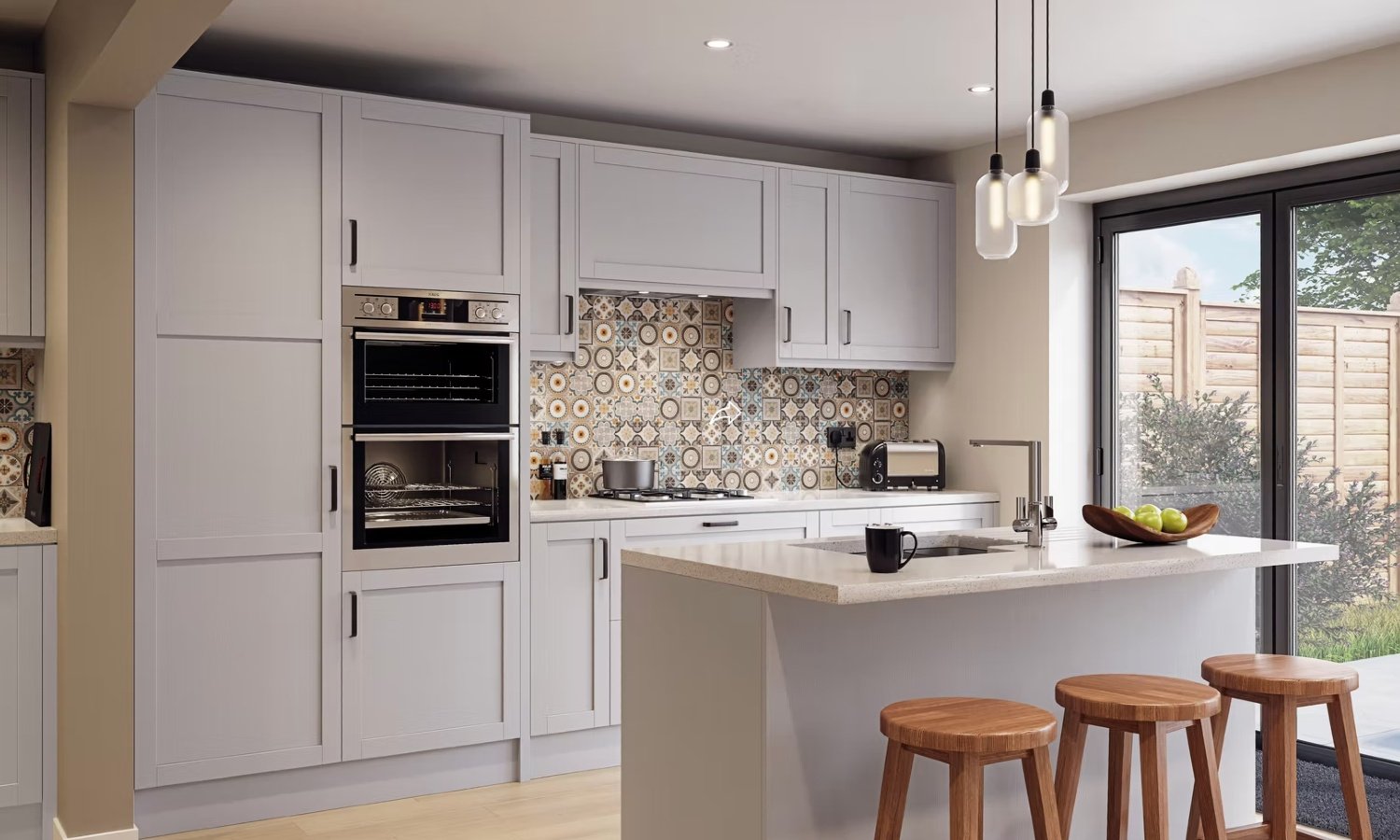
Is an eye-level oven always the best choice?
Positioning your oven within a tall cabinet means you don’t have to bend down every time you want to check on dinner or take something out. It can also make it easier to see what’s cooking without constantly opening the door.
However, just because it’s called an eye-level oven doesn’t mean there’s one perfect height for everyone.
Someone who’s 6 ft 4 in will have a very different idea of a comfortable oven position compared to someone who’s 5 ft 2 in.
And if you’re sharing the cooking duties, you’ll want to consider a height that works for everyone.
Think about what happens around your oven
Of course, choosing the right height is only half the story.
You also need to think about where your oven sits in relation to everything else. For example, when you take a hot dish out of the oven, where are you going to put it?
Having a suitable worktop nearby makes it much easier to transfer hot trays and heavy dishes safely without carrying them across the kitchen. And if you’re a keen baker, you might appreciate having your oven close to a generous preparation area.
There are other practical considerations, including which way the oven door opens, how much space you have in front of it, and whether the position works with the rest of your appliances.
Built-in, under-counter or something different?
There isn’t one oven arrangement that suits every kitchen, and the best choice will depend on your available space, cooking habits and personal preferences.
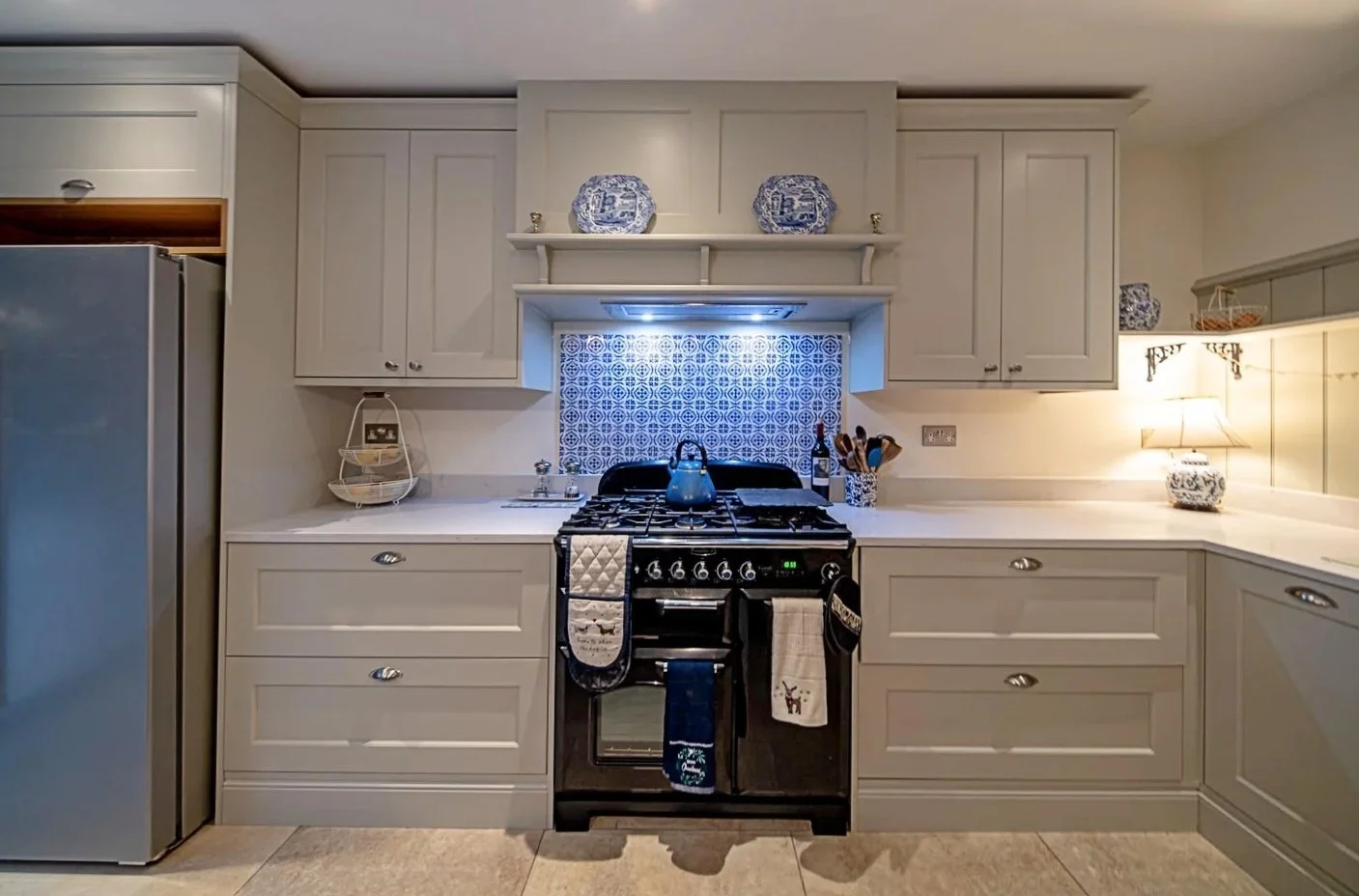
An under-counter oven can be a practical solution, particularly in smaller kitchens where tall cabinetry would take up valuable worktop space or interrupt the layout.
A built-in oven housed within a tall cabinet can offer easier access and create a streamlined appearance. If you enjoy cooking, you might even consider combining a main oven with a compact or combination oven, positioned at different heights to suit how you use each appliance.
You can also browse our kitchen appliances and accessories to explore more options for your new kitchen.
A kitchen that works for you, not the other way around
We often find that the smallest design decisions can have the biggest impact on how much you enjoy your kitchen.
The height of your oven is a perfect example.
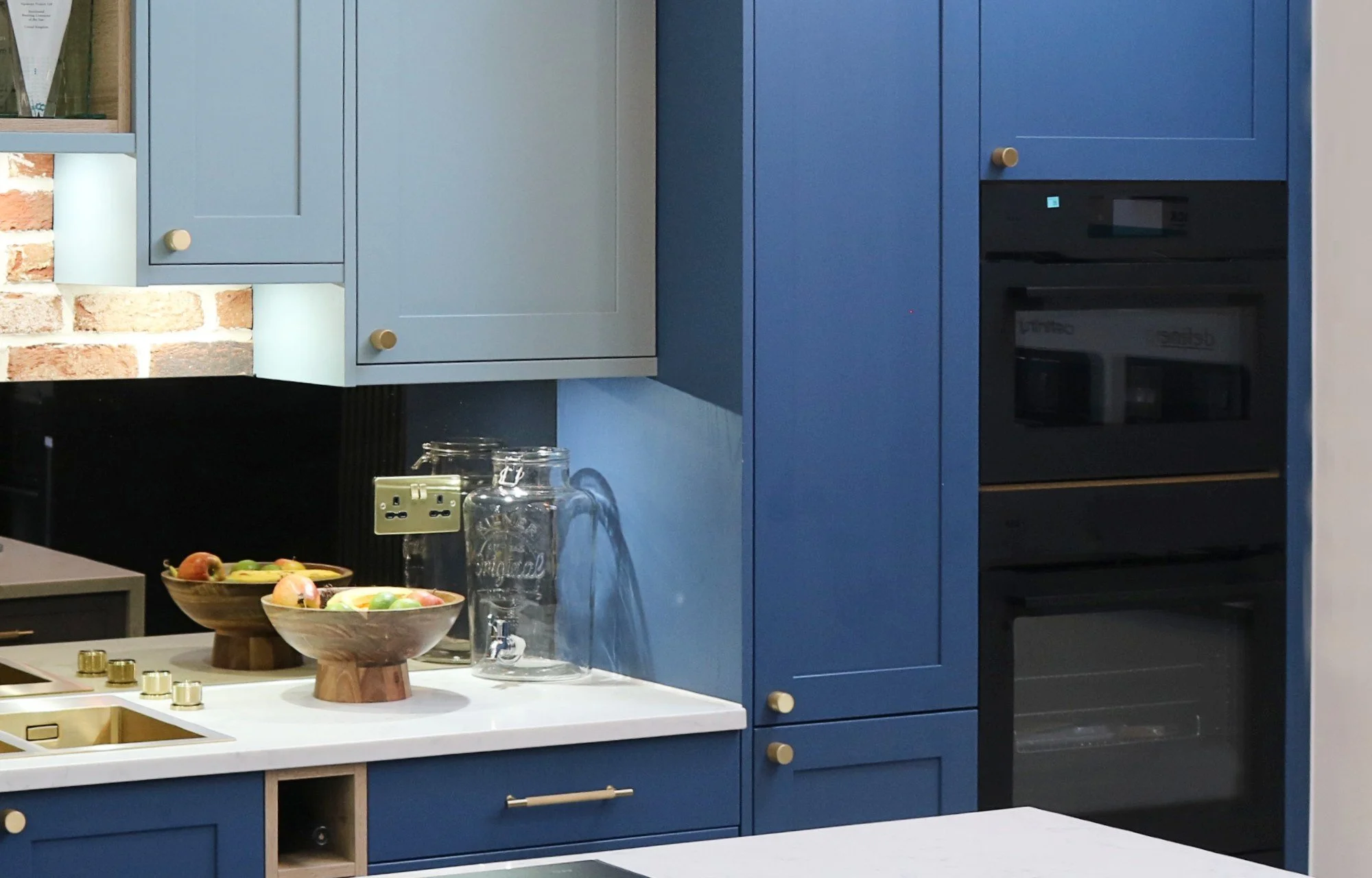
It’s something you might not give much thought to when browsing beautiful kitchen photographs, but you’ll certainly notice if it isn’t quite right once you’re cooking in your new space.
And the same goes for your dishwasher position, cupboard storage, worktop heights and even where you keep your everyday essentials.
At Paragon Designs, we take the time to get to know you and understand how you use your kitchen before making recommendations.
Let’s get the little details right
If you’re thinking about a new kitchen, we’d love to hear what you have in mind.
Arrange an appointment and start planning a kitchen that really works for you.