
Choosing a kitchen worktop can feel like a big decision. After all, it is the surface you will use every single day.
Granite and quartz worktops are two of the most popular choices in kitchen design. At first glance, they can look similar, but they perform quite differently once your kitchen is in full swing.
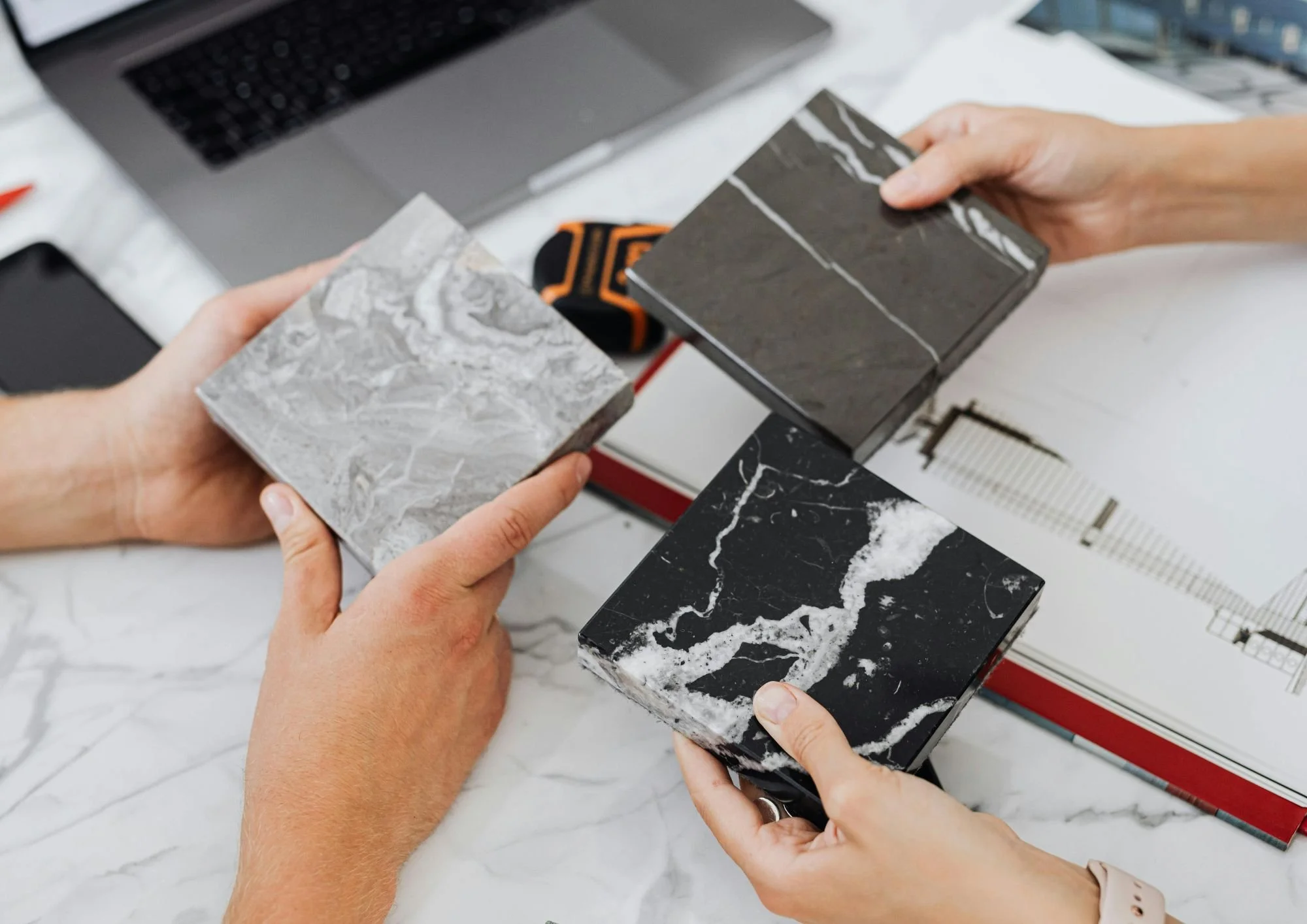
Here is a clear, straightforward guide to help you decide between granite and quartz for your kitchen.
What Is the Difference Between Granite and Quartz?
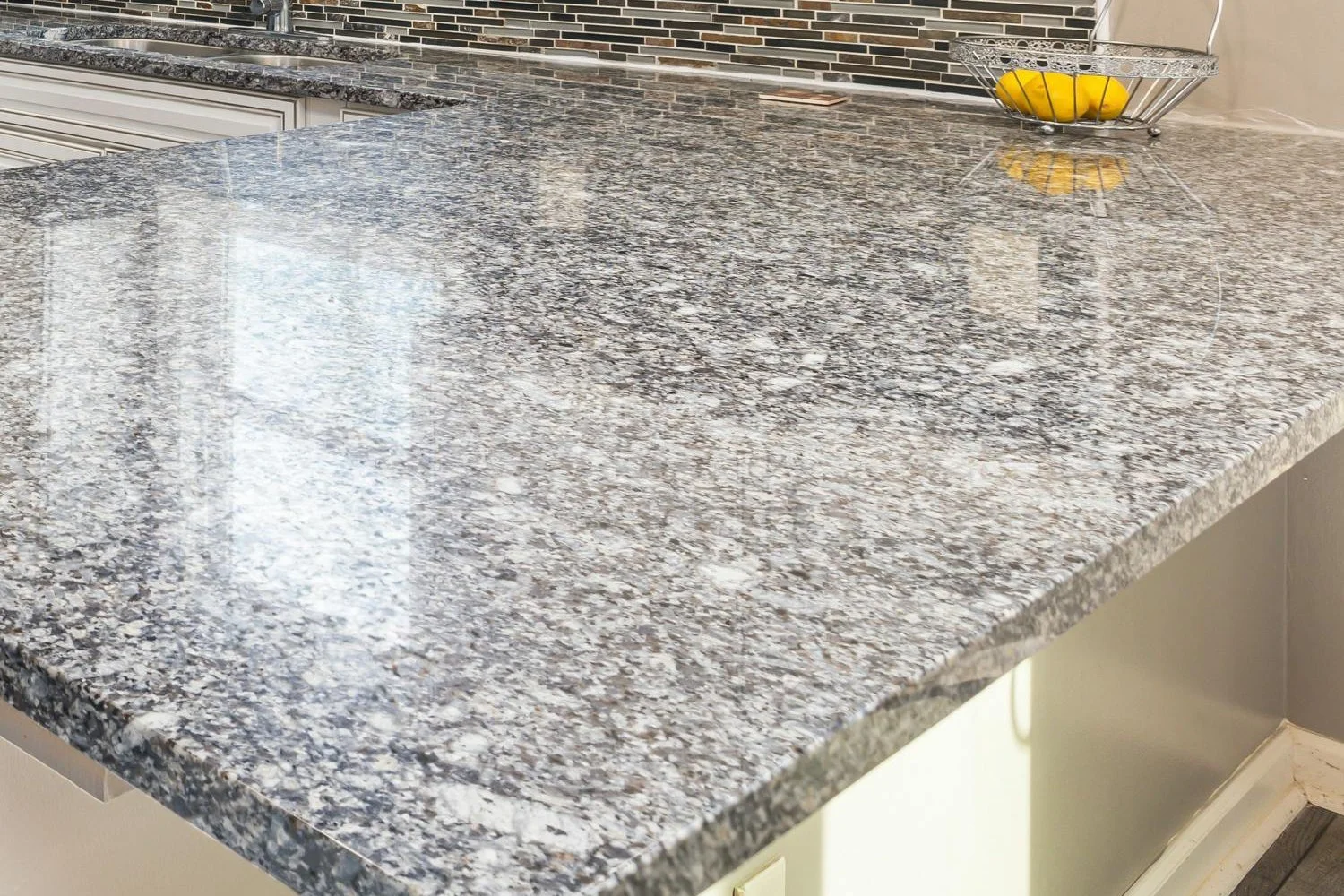
Granite worktops are made from natural stone. Each slab is cut from quarried rock, which means every piece is completely unique. The swirls, flecks and veins are created by nature, not a factory, giving your kitchen genuine character and depth. If you like the idea of a completely
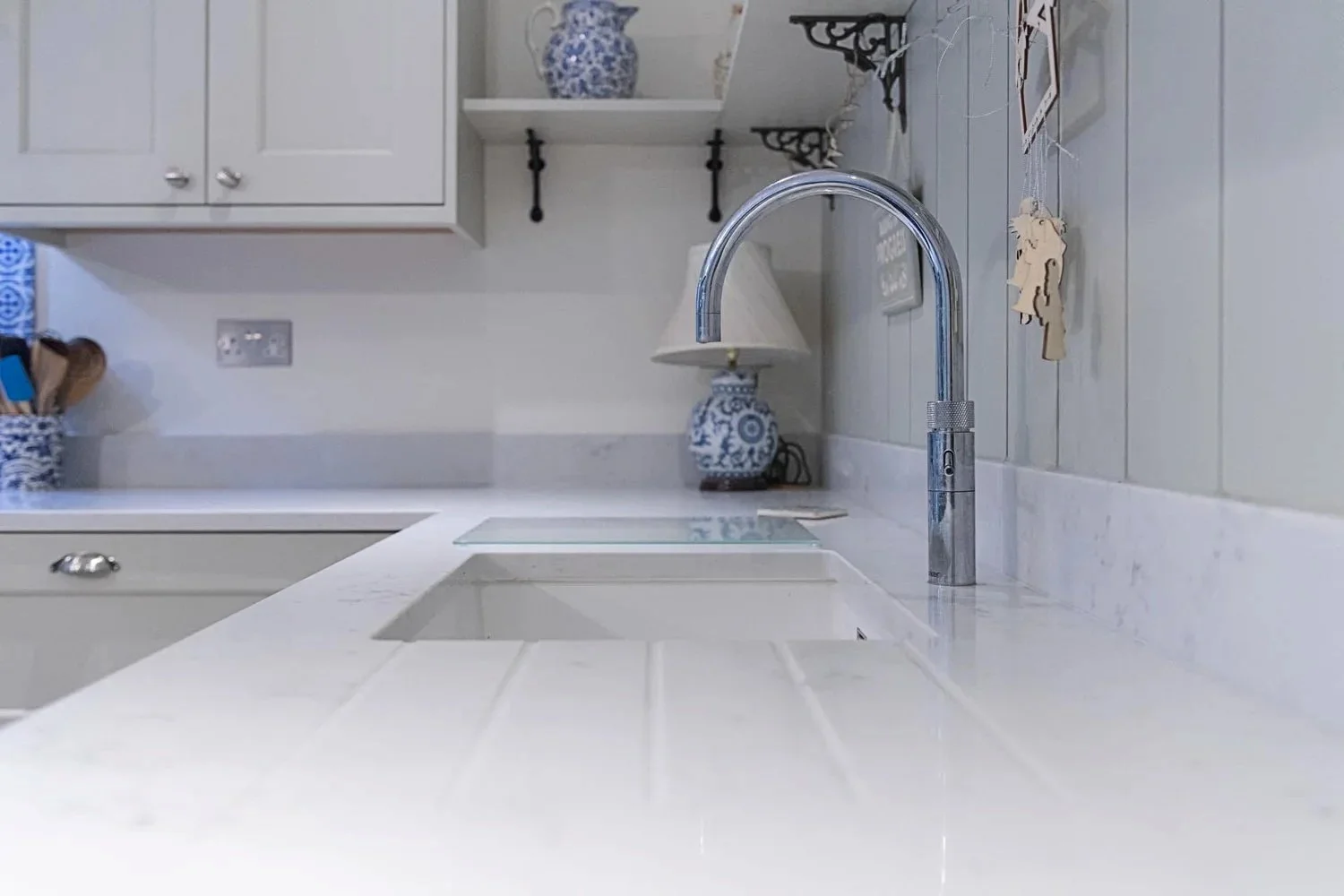
Quartz worktops, on the other hand, are engineered surfaces. They are created using crushed natural quartz blended with resins and pigments. The result is a beautifully consistent material where the pattern and colour remain uniform across the entire surface. What you see in the sample is exactly what you get in your finished kitchen.
Granite vs Quartz, Which Looks Better in the Kitchen?
When comparing granite and quartz worktops, style often leads the decision.
Granite suits kitchens with a classic, traditional or timeless feel. The natural movement in the stone adds depth and individuality, making it a beautiful focal point in the room.
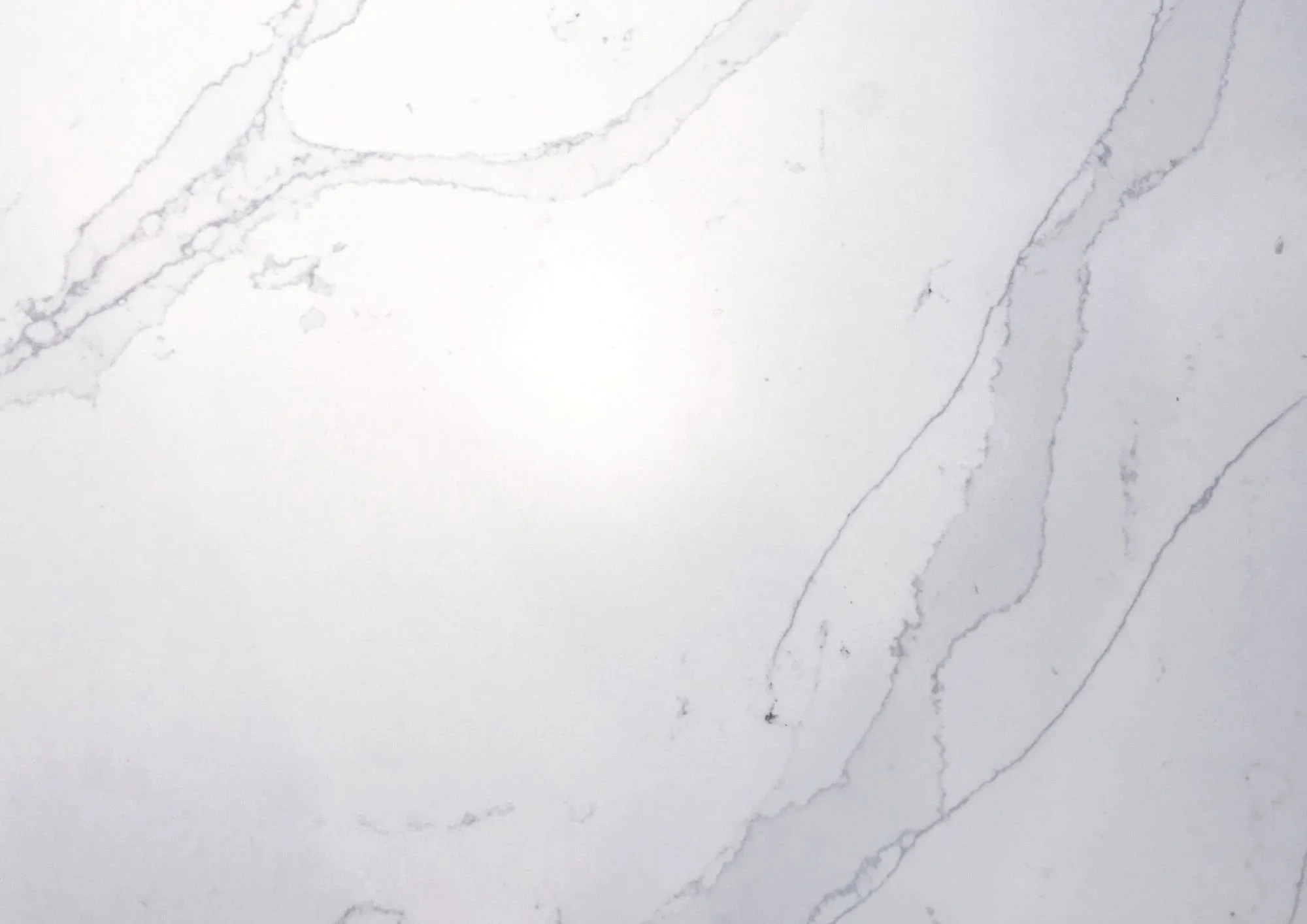
Quartz worktops are ideal for modern and contemporary kitchens. If you prefer clean lines, consistent colour and a sleek finish, quartz delivers a more minimalist look. It is particularly effective where precise colour matching is important.
Durability and Maintenance
A kitchen worktop needs to handle everything from hot pans to coffee spills.
Quartz is non-porous, which means it does not absorb liquids. It is resistant to stains and easy to wipe clean, with no need for sealing. For busy households, this low maintenance quality makes quartz worktops a practical choice.
Granite is extremely durable and naturally heat resistant, so it copes well with hot cookware. However, as a porous material, granite worktops need to be sealed to prevent staining. With the right care and occasional resealing, granite will last for many years.
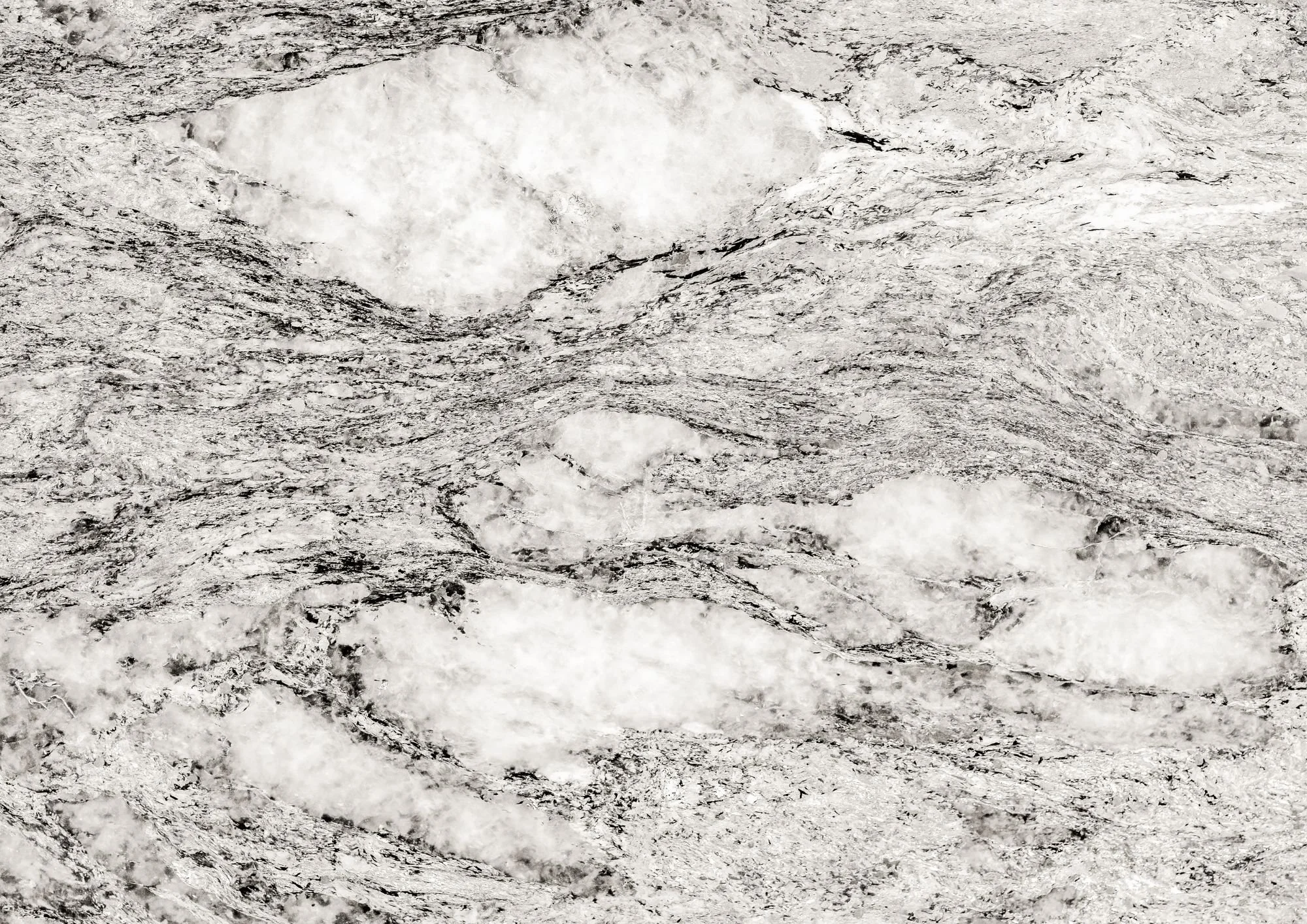
Both granite and quartz are strong, long-lasting kitchen worktop materials. In simple terms, quartz is often chosen for convenience, while granite is chosen for its natural beauty.
Granite or Quartz Worktops, What About Cost?
The cost of granite and quartz worktops is usually comparable. Prices vary depending on the colour, thickness and finish selected.
For most homeowners, the choice comes down less to budget and more to lifestyle, design preference and how much maintenance you are comfortable with.
Making the Right Choice for Your Kitchen
Choose granite worktops if you love the character of natural stone and appreciate that every surface will be unique.
Choose quartz worktops if you want a consistent appearance, easy cleaning and minimal upkeep.
If you would like to explore granite and quartz worktops in person, Paragon Design can guide you through the options and help you select the perfect surface for your kitchen design.
Frequently Asked Question
-
Granite is a natural stone with unique patterns and character. Quartz is an engineered surface made from crushed quartz mixed with resins, giving a consistent colour and pattern throughout.
-
Quartz is non porous and does not need sealing, making it very easy to clean and resistant to stains. Granite is durable and heat resistant but needs sealing to protect against staining.
-
Quartz is often preferred for modern and contemporary kitchens because of its clean, consistent appearance and wide range of colours.
-
Yes, the cost is usually comparable. The final price depends more on the specific colour, thickness and finish chosen.
-
The decision usually comes down to your preferred appearance, lifestyle and maintenance requirements. Granite suits those who value natural stone character, while quartz is a practical choice for consistent appearance and easier upkeep.